Bōsai Kameda
1752 – 1826
In short
Bōsai Kameda was a Japanese literati painter born in 1752 in Kanda and died in 1826 in Edo. He initially trained as a Confucian scholar before dedicating his life to art. Kameda's work is characterized by his unique blend of traditional Japanese and Chinese influences.
Notable works


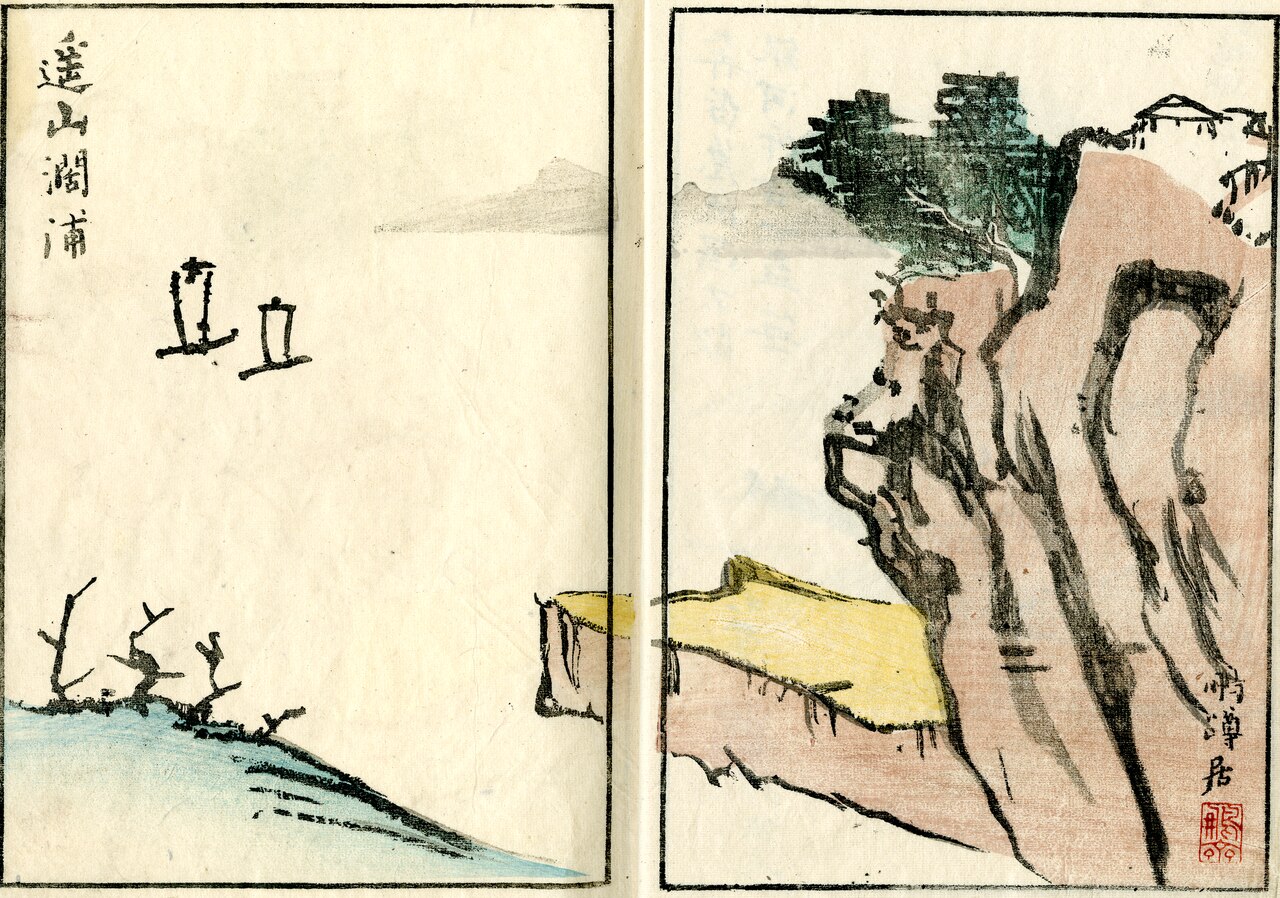


Early life Bōsai Kameda was born in 1752 in Kanda, Japan. Initially, he trained as a Confucian scholar, which would later influence his artistic style and themes. This early exposure to Confucianism played a significant role in shaping his worldview and artistic expression.
Career and style Kameda's career as an artist began in the second half of his life, marking a significant shift from his earlier focus on Confucian studies. As a literati painter, he was part of a tradition that emphasized the fusion of art, literature, and philosophy. His style reflects a deep appreciation for traditional Chinese and Japanese art forms, blended with his own unique perspective.
Signature techniques Kameda's artistic techniques were characterized by his mastery of ink and brushwork, reflecting his literati background. His paintings often featured simple, yet powerful compositions that conveyed a sense of harmony and balance. The use of subtle color palettes and delicate lines added to the elegance of his works.
Major works Some of Kameda's most notable works include 'Confucian Poem' (1820), 'Landscape with Waterfall' (1817), 'Kyochuzan (Mountains of the Heart)' (1809), 'Landscape with Qin', and 'Bat Flying Over the Moon' (1824). 'Kyochuzan (Mountains of the Heart)' is particularly noteworthy, as it contains many of his most famous paintings. These works showcase Kameda's ability to capture the essence of the natural world and convey profound philosophical themes through his art.
Influence and legacy Kameda's contributions to Japanese art are significant, particularly within the literati painting tradition. His unique style, which blended elements of Chinese and Japanese art, has inspired generations of artists. Today, his works are recognized for their beauty, elegance, and the profound philosophical insights they offer.
Frequently asked questions
Who was Bōsai Kameda?
Bōsai Kameda was a Japanese literati painter born in 1752 in Kanda, Japan, known for his unique blend of traditional Japanese and Chinese influences in his work.
What style or movement was Bōsai Kameda associated with?
Kameda was associated with the literati painting tradition, which emphasizes the fusion of art, literature, and philosophy.
What are some of Bōsai Kameda's most famous works?
Some of his most famous works include 'Confucian Poem', 'Landscape with Waterfall', 'Kyochuzan (Mountains of the Heart)', 'Landscape with Qin', and 'Bat Flying Over the Moon'.
Why is Bōsai Kameda's work important?
Kameda's work is important because it represents a unique blend of traditional Japanese and Chinese influences, and his contributions to the literati painting tradition have inspired generations of artists.
How can I recognize Bōsai Kameda's work?
You can recognize Kameda's work by looking for simple, yet powerful compositions that convey a sense of harmony and balance, often featuring delicate lines, subtle color palettes, and a blend of traditional Japanese and Chinese influences.