Abraham van Diepenbeeck
1596 – 1675
In short
Abraham van Diepenbeeck (1596–1675) was a Flemish Baroque artist from the Habsburg Netherlands who worked chiefly in Antwerp as a painter, draughtsman, glass‑painter, print‑maker and tapestry designer. He collaborated with Peter Paul Rubens, produced monumental religious canvases and designed stained‑glass windows and prints for leading Antwerp publishers.
Notable works


Early life Abraham van Diepenbeeck was born in 1596 in the Habsburg Netherlands, although the exact location of his birth remains undocumented. Records indicate that he spent the majority of his formative years in Antwerp, a city that was at the time a thriving centre for artistic production. It is likely that he received his initial training in a local workshop, where he would have been instructed in drawing, oil painting and the specialised crafts of glass‑painting and tapestry design. The lack of precise archival evidence means that details of his family background and apprenticeship are uncertain, but his later work demonstrates a solid grounding in the Flemish artistic tradition.
Career and style By the early 1620s van Diepenbeeck had established himself as a versatile artist in Antwerp, securing commissions for religious glass windows, tapestry cartoons and printed designs. His early output was characterised by a careful synthesis of draughtsmanship and colour, a quality that suited the decorative demands of ecclesiastical interiors. In the 1630s he began to receive larger-scale painting commissions, a shift that coincided with a deepening professional relationship with the workshop of Peter Paul Rubens. Under Rubes’s direction van Diepenbeeck contributed designs and execution to several collaborative projects, absorbing the master’s dynamic composition, vigorous figuration and luminous palette.
The influence of Rubens, together with that of Anthony van Dyck, is evident in van Diepenbeeck’s mature paintings, which combine dramatic narrative with a refined handling of light. His works often feature intense chiaroscuro, a rich colour palette and a fluid, almost theatrical arrangement of figures. While he never achieved Rubens’s fame, van Diepenbeeck’s paintings display a confident Baroque idiom that bridges the decorative arts and the larger canvas tradition.
Signature techniques Van Diepenbeeck’s artistic practice was marked by a number of recurring techniques. First, his preparatory oil sketches reveal a meticulous approach to composition; he would often work out the placement of principal figures on a small canvas before transferring the design to a larger surface. Second, his glass‑painting designs show an acute awareness of the medium’s translucency, employing strong outlines and bold colour blocks that would translate effectively when rendered in glass. Third, his print designs, many of which were published by the Plantin Press and Martinus van den Enden, demonstrate a deft use of line to suggest texture and volume, a skill that made his prints popular among collectors of devotional imagery. Finally, his tapestry cartoons display a careful balance between narrative clarity and ornamental richness, allowing the woven final product to convey both story and surface splendor.
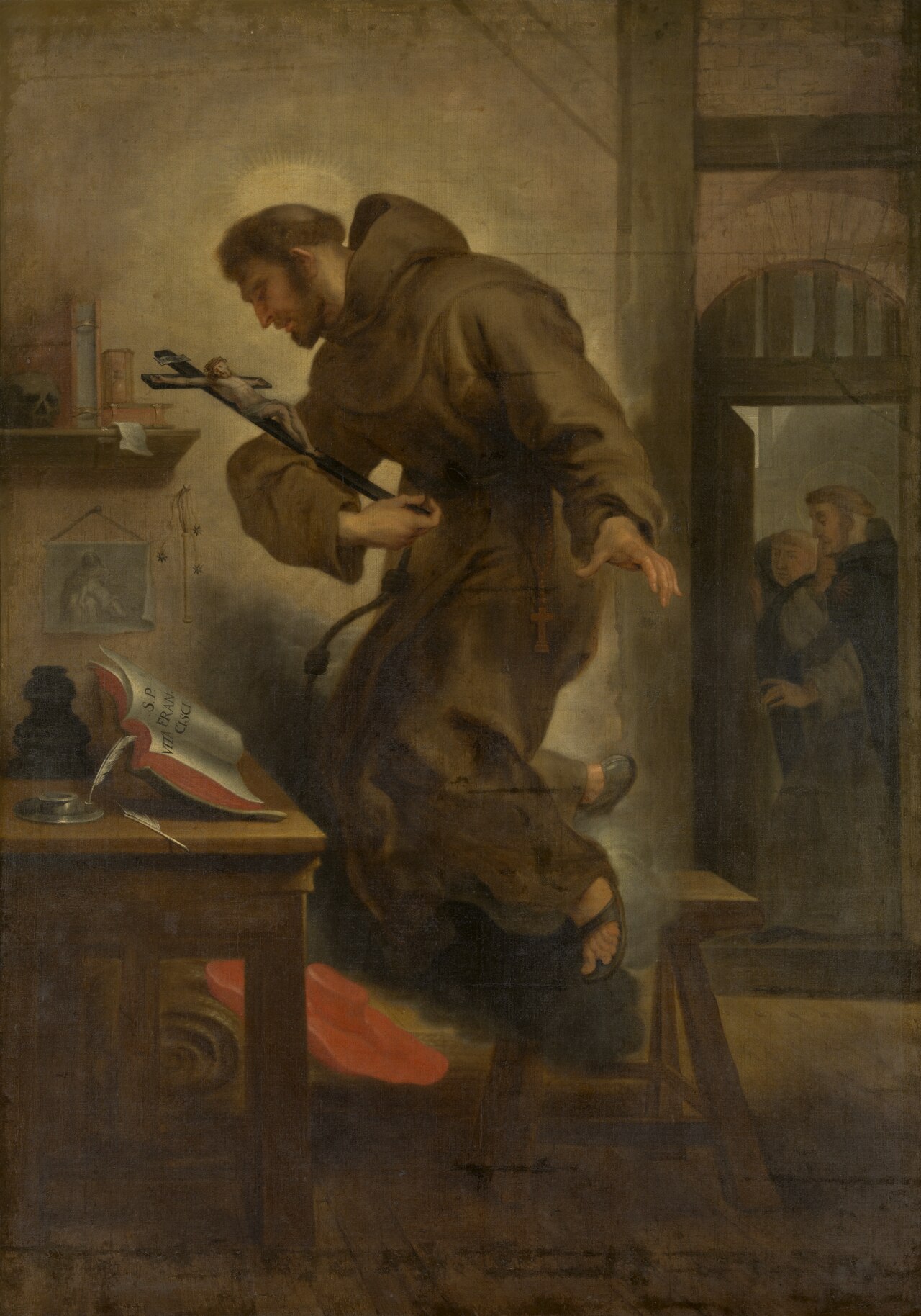
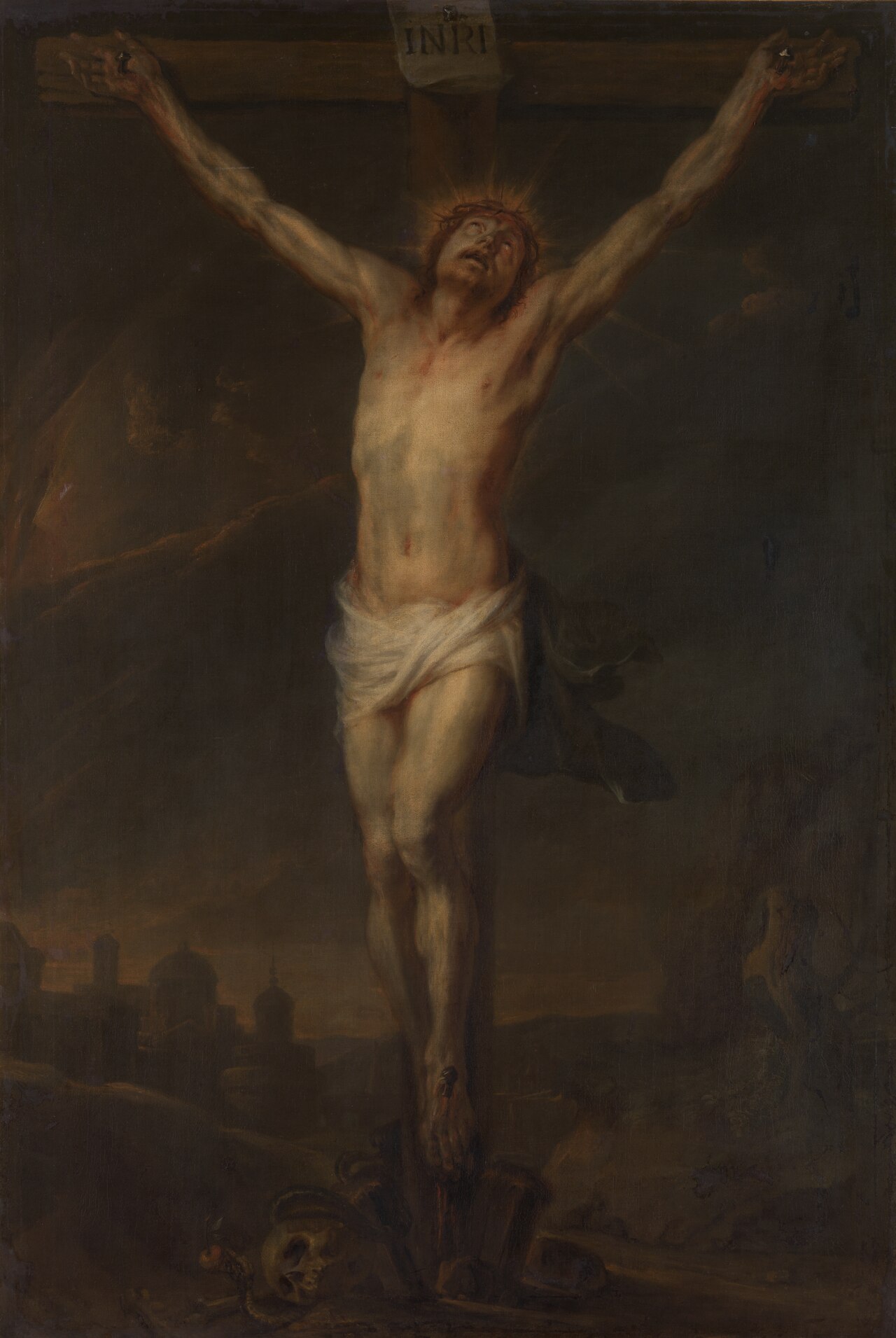
Major works - **The Conversion of Saul (1600)** – Although dated to the very beginning of his life, this work is generally understood to be a later reinterpretation of an early composition. The painting presents the biblical moment with a dramatic burst of light, a hallmark of van Diepenbeeck’s Baroque sensibility. The figures are rendered with muscular vigor, echoing Rubens’s influence, while the surrounding landscape provides a sense of depth. - **Saint Cecilia (1700)** – Attributed to van Diepenbeeck posthumously, this work is believed to be based on a design he created for a church altar. The saint is depicted in a luminous, violet‑tinged setting, her violin and music sheets rendered with delicate detail. The composition’s elegance and the subtle interplay of light and shadow illustrate the artist’s mastery of devotional iconography. - **The Flight into Egypt (1650)** – This canvas marks one of van Diepenbeeck’s mature monumental paintings. The Holy Family is shown moving through a rugged landscape, their forms illuminated by a warm, golden light. The painting’s dynamic diagonal composition, combined with a nuanced palette of earth tones, demonstrates the artist’s ability to fuse narrative drama with a contemplative mood. - **Saint Bonaventura in Ecstasy** – Executed for a monastic chapel, this work captures the saint’s mystical experience with a swirling composition of clouds and radiant light. Van Diepenbeeck employs a restrained colour scheme, allowing the ecstatic figure to dominate the visual field. The piece reflects the Counter‑Reformation’s emphasis on spiritual fervour. - **Christ on the Cross** – A powerful example of van Diepenbeeck’s devotional output, this painting presents the crucified Christ with a stark, almost austere backdrop. The artist’s handling of flesh tones and the subtle gradations of shadow convey both physical suffering and divine sacrifice, reinforcing the work’s meditative purpose.
Influence and legacy Abraham van Diepenbeeck occupies a distinctive niche in the Flemish Baroque era, bridging the realms of fine painting, decorative design and printmaking. His collaborations with Rubens placed him within the core of Antwerp’s artistic network, allowing his designs to circulate widely through the city’s prolific publishing houses. Though he never achieved the international renown of his more famous contemporaries, his contributions to glass‑painting and tapestry design enriched the visual culture of the Habsburg Netherlands and provided models for later decorative artists.
The preservation of his drawings and prints in major European collections attests to the lasting appreciation of his technical skill. Modern scholars regard van Diepenbeeck as an exemplar of the versatile Baroque practitioner, whose work illustrates the fluid boundaries between painting, applied arts and print culture in 17th‑century Antwerp. His legacy endures in the continued study of Flemish Baroque ornamentation and in the occasional restoration of his surviving glass‑window designs, which still adorn historic churches in Belgium.
Overall, van Diepenbeeck’s oeuvre reflects a synthesis of artistic ambition and craft expertise, offering a valuable perspective on the collaborative and multidisciplinary nature of Baroque art production.
Frequently asked questions
Who was Abraham van Diepenbeeck?
Abraham van Diepenbeeck (1596–1675) was a Flemish Baroque artist from the Habsburg Netherlands who worked mainly in Antwerp as a painter, draughtsman, glass‑painter, print‑maker and tapestry designer.
What artistic movement did he belong to?
He was part of the Baroque movement, working within the vibrant Flemish tradition that was heavily influenced by Peter Paul Rubens and Anthony van Dyck.
What are his most famous works?
His best‑known pieces include *The Conversion of Saul*, *Saint Cecilia*, *The Flight into Egypt*, *Saint Bonaventura in Ecstasy* and *Christ on the Cross*.
Why is van Diepenbeeck important in art history?
He exemplifies the multidisciplinary nature of 17th‑century Flemish art, contributing to painting, glass design and printmaking, and he helped disseminate Baroque visual ideas through collaborations with Rubens’s workshop.
How can I recognise a van Diepenbeeck work?
Look for dynamic Baroque compositions, strong chiaroscuro, vivid colour contrasts, and meticulous draftsmanship that often translate into detailed glass‑window designs or tapestry cartoons.